Reconquering the "Wildlands"
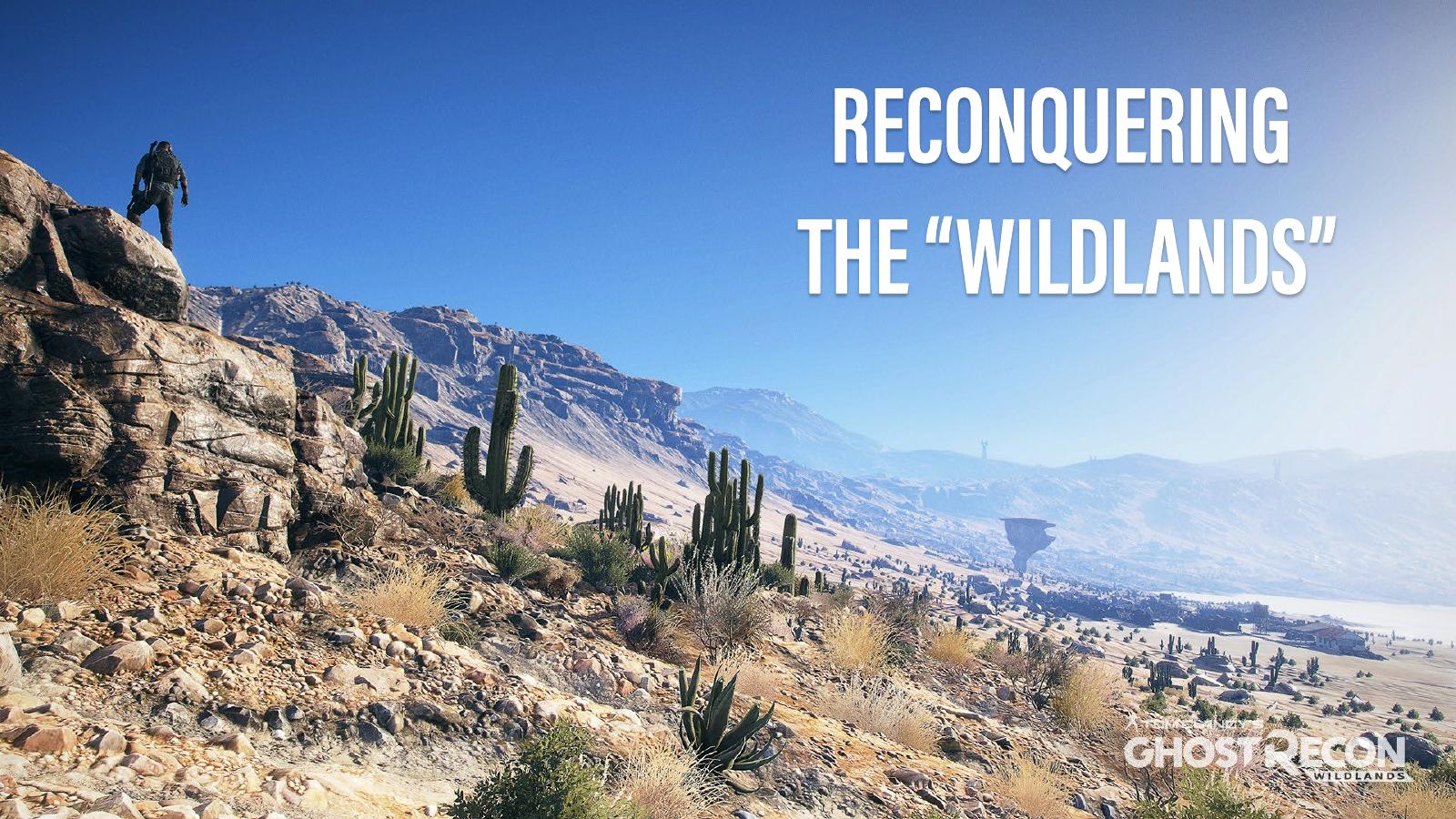
In this short essay and case study, I analyzed the video game Tom Clancy's Ghost Recon: Wildlands through the lenses of colonialism and game studies departing from the fiction depicted on the setting context: Bolivia. In this way, various contents of this production are studied depending on the political or historical events on which Ubisoft (Paris and Milan studios) have based for the design of the game.
In short, I concluded this production corresponds with the general tendencies of the warlike video games, with the treatment of stereotypes and discourses of United States exceptionality. In the case of Bolivia, it has been handled with an image of incapacity, defeat, traitors and as a country whose regime, imposed by a fictional drug cartel, poses a threat to the security of North America.
Meanwhile, a homogeneous view of Latin America is used throughout the game's visual and narrative language, flattening distinct cultures and histories into a single backdrop for an American intervention fantasy.
The deck
Counterpoint: voices from the community
“Soy Boliviano y muy orgulloso, y que tomen a mi pais para hacer un juego de video es increiblemente hermoso, ademas como bien dijiste es ficcion o es que acaso a los del gobierno les dio en la llaga, no lo se prefiero guardame mi opinion muy buen video un abrazo.”
“I’m Bolivian and very proud, and the fact that they’ve used my country for a video game is incredibly beautiful. Besides, as you rightly said, it’s fiction — or did it hit a nerve with the government? I don’t know, I’d rather keep my opinion to myself. Great video! Hugs!”